
How to Resolve Workplace Conflicts in Dubai
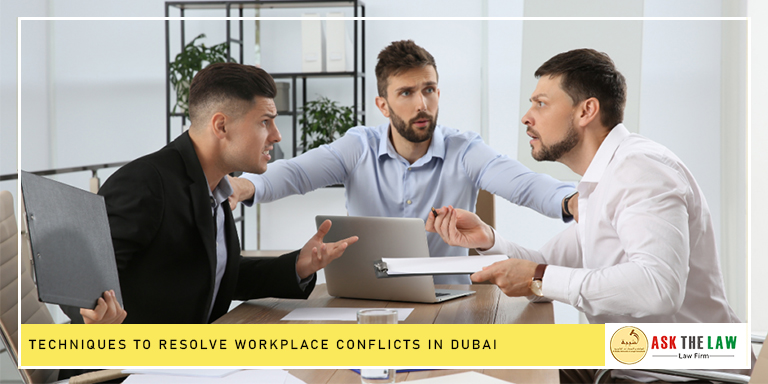
To resolve workplace conflicts in Dubai, it’s important to have a private meeting to resolve issues early. An in-person meeting between the employee and employer can help to resolve the issue effectively. Consult the employment lawyer, use structured mediation and discuss all the matters, also understanding cultural differences and documenting agreements in writing to resolve the conflict amicably. It is helpful to consult the professional labour lawyers and resolve workplace conflicts amicably, as it can help you to save time and money. If the matter is not resolved amicably, it becomes serious unresolved disputes, and then should contact the MOHRE and file the complaint.
Why Is Workplace Conflict Different in Dubai?
Dubai’s workforce has diversity, as expatriates’ population is up to 90% of the emirate’s working population, representing more than 200 nationalities. That diversity is commercially beneficial, but it also means colleagues are from different cultures. Each culture has their communication norms, hierarchy expectations, and conflict styles in the same office.
For example, a disagreement from the nation’s norm seen as “healthy directness” may feel like public humiliation to a person who belongs to a high-context culture where criticism can be discussed privately. Along with that, religious factors with practices, can also cause schedule differences in the workplace, such as Ramadan working hours, Diwali celebrations, or Christmas celebrations. The legal structure of UAE Federal Law No. 8 of 1980 demands a more deliberate approach than a generic work style to resolve the workplace disputes.
1. Resolve Concerns Through a Private Discussion
A problem or disagreement needs proper attention with a quick response. Being avoidant during workplace disputes can make problems more complicated. Address tension within days, not weeks, and always start the discussion in private. In the Dubai workplace, the dignity of the employee and employer is always a first priority, so public confrontation is not a good option even mild confrontation can permanently damage working relationships. To avoid making matters complicated, call the person privately in a neutral meeting room, not your office, to reduce the power imbalance.
2. Listen Carefully Before Responding
Let each party explain their view without interruption, then consider it and recall all the matter in your head. In multicultural Dubai teams, misheard intent causes more conflict than genuine disagreement. Also analyze the problem through indirect communication for example, in many parts of the world, the communication styles like, “I will try” or “Silence” may signal disagreement.
3. Address the Issue Without Blaming the Individual
People differ in how comfortable they are communicating across departments, some naturally connect with colleagues elsewhere in the organization, while others find it harder. When addressing these differences, it’s important to focus on systems and behaviors rather than personalities or nationalities. This keeps the discussion professional and avoids any perception of discrimination, which is treated seriously under both UAE law and company policy.
4. Manage the Dispute through Workplace Mediation
While having the private table talk and handling workplace disputes, it’s better to hire a employment lawyer, as they can be a neutral facilitator and can also explain legal terms and future consequences to each party and also can share expert advice to resolve the matter via mediation. A common misunderstanding is mediation is only a discussion about the matter, but labor lawyers give you a proper structure to conduct a mediation and help to identify the real cause of the dispute. There is the following structure, which can help to resolve the matter in a proper way without going to court:
- Each party should share their remarks and describe in detail what is disturbing them most.
- Analyzed and identify shared interests like project success or completion
- Agree specific actions with deadlines
- Schedule a follow-up review in 2–4 weeks
5. Confirm Commitments Through a Written Agreement
Do not rely on verbal promises and commitments. Prepare a summary of agreed actions in writing and share it with both parties. Emails are good to keep records while dealing with workplace disputes. In Dubai, written records also matter legally.
6. Account for Cultural and Religious Context
Handle difficult conversations sensitively, and do not get into heavy negotiations while discussing religious matters; for example, during Ramadan fasting hours and giving proper rest times, respect prayer times, and be aware that weekend structures might differ from employees’ home countries. Being understanding and seeing the matter visionarily can be very helpful to dramatically lower the emotional stress of disputes.
7. Train Managers in Conflict Competence
Mostly workplace conflicts come to the managers who have never been trained to handle them. Conducting workshops on cross-cultural communication and mediation basics offered by providers across Dubai Knowledge Park and DIFC can polish the manager’s ability to handle the matter effectively. Companies should train managers to resolve the matter at an early stage.
8. Submit a Formal Complaint
Before going for legal help, it’s important to submit your formal complaint to your company. As it can help you resolve the issue under higher management guidance, and if the issue becomes serious, then consider filing a legal complaint. A clear internal path resolves most disputes before they leave the building.
9. File a Complaint with MOHRE OR the free zone authority.
If internal resolution fails, either party may file a complaint in the Ministry of Human Resources and Emiratization. MOHRE initially calls for an amicable settlement to resolve the case. If it’s not resolved, it will be referred to the labor courts. For free zone-based employees, DIFC Courts are handling labor matters.
Common Causes of Workplace Conflict in Dubai
While people of different mindsets and different backgrounds work together, conflicts can happen. There are the following most common issues that cause workplace conflicts:
- Cross-cultural communication and behaviors can cause workplace disputes. As people from different nationalities have different cultures and cultural norms.
- Pay and end-of-service benefits such as gratuity calculations are also major causes of disputes. This kind of matter is resolved under Articles 132 and 141 of the Labor Law.
- Workload and overtime disagreements are also causes of workplace disputes as the per the labour law around the 48-hour standard working week
- Favoritism and discrimination are one of the causes of disputes.
- Delay in visa and sponsorship processing can begin minor disputes.
Facing a Workplace Conflict in Dubai?
Get practical legal guidance on workplace disputes, unfair treatment, salary issues, disciplinary action, and communication breakdowns before the conflict escalates.

Note:
ASK THE LAW is the Online Legal Entity of Al Shaiba Advocates & Legal Consultants, a full-service Emirati Law Firm. The blog is just for legal knowledge, which can be outdated with time with the inventions of new laws or modifications in previous laws. There might be some human errors too in the blog content. Therefore no liability is taken or owned, and we suggest consulting our experts for any decision or proceedings.