
DIFC Digital Assets Law: Ownership, Inheritance and Control of Digital Assets Explained
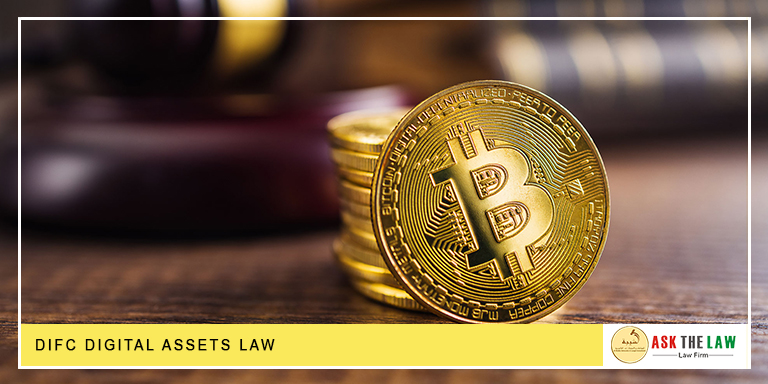
Cryptocurrencies, tokens, NFTs, and other blockchain-based assets are intangible property in Dubai. Individuals have legal questions about digital assets. They want to know about the ownership of the digital asset, who controls it and how the ownership is transferred. The Digital Assets Law and the DIFC Courts Digital Assets Will are separate legal developments. They are not the same. The Digital Assets Law came into force on 8 March 2024, whereas the DIFC Courts launched its Digital Assets Will service in October 2024. The law itself did not create the Will service.
Does Property Law Matter for Digital Assets?
For digital assets, property law builds the legal foundation for ownership, transfer, inheritance and insolvency protection. The DIFC Digital Assets Law, Article 9, states that a digital asset is known as intangible property. Therefore, virtual assets are regulated through the DIFC legal framework. Property laws improve decision-making for digital assets when transferring ownership or making an inheritance document.
How Do Digital Assets Work?
When a digital asset is recorded under the property laws, DIFC considers it as intangible property. Yet, it can have legal claims.
Legal Ownership: It becomes enforceable. It is not just a promise, but the courts will protect the ownership of the digital asset in the holder’s name. Court protects the ownership of the digital asset in the holder’s name.
Transfer Mechanism: The law emphasises the transfer of legal digital assets. It reduces disputes for transactions made in the name of holder’s title.
Inheritance Law:
Digital assets can form part of a deceased person’s estate. Their distribution depends on the applicable succession laws.
Improved Law for Bankruptcy:
In insolvency proceedings, the treatment of digital assets depends on ownership rights, custody arrangements, contractual terms and applicable insolvency laws. Whether a customer can recover specific digital assets or must pursue a creditor claim requires examination of the circumstances.
Theft and Fraud Could Be Traced:
Digital assets may be subject to theft, fraud, hacking or unauthorised transfers. Blockchain transaction records may help trace certain transactions and support investigations. Depending on the circumstances, affected parties may pursue available legal remedies under the applicable laws. However, tracing digital assets does not guarantee their recovery.
Limitations of the Law
Businesses conducting regulated financial services involving crypto tokens in or from DIFC generally require the relevant DFSA authorisation. Other blockchain-related businesses may be subject to different registration or licensing requirements depending on their activities. A DIFC commercial licence does not automatically authorise regulated financial services.However, the law defines digital assets as virtual units that are created by software and network data.
Individuals involved in virtual assets and their ownership must understand that the Digital Assets Law is a property law. Alongside this, DFSA-administered requirements have to be followed by the individual within the DIFC. Several firms regulate financial services that involve crypto tokens and may require DFSA authorisation when registered with the DIFC.
From 12 January 2026, the DFSA does not maintain its previous prescribed list of Crypto Tokens more. Firms conducting regulated activities must assess token suitability in accordance with the applicable DFSA requirements.
DIFC VS VARA?
The difference between both entities confuses many individuals in Dubai. Therefore, individuals make mistakes when registering their business for virtual assets. To differentiate, DIFC is a jurisdiction with its own legal framework that is applied inside the Centre only, and financial services are regulated under DFSA. However, VARA operates in Dubai’s mainland and free zones where virtual-asset activities are regulated separately. Businesses have to choose a jurisdiction before anything else. This provides clarity over applicable property law and court hearings for any dispute.
FAQS
How is Digital Wealth Taken?
If you are planning to buy digital assets in Dubai, it is important to understand how crypto tokens work in the region. Your digital assets shall be registered with VARA or DIFC. Depending on the business jurisdiction, the laws are applicable.
Digital assets are increasing in Dubai, enhancing personal wealth; therefore, business operations should be managed carefully. Though digital assets are intangible, they hold the same value as tangible properties do. The DIFC Digital Assets Law was created to provide a legal framework to manage the digital economy and determine the legal relationship between people and virtual assets. Ownership, control and succession planning shall be planned with a primary focus on managing wealth. However, a Digital Assets Will shall be created to ensure legal transfer and inheritance to the heir.
Business planning should be taken seriously, especially when you plan to provide services for digital assets. Without a clear understanding of digital assets, inheritance rules and succession planning disputes, it is difficult to manage virtual assets in Dubai. At ASK THE LAW – Al Shaiba Advocates & Legal Consultants, we provide legal consultations and legal support to protect virtual assets. You can book a consultation with us. We will help you with registering your business in the right jurisdiction. Moreover, we will provide you with complete support with the laws and documents required for your business. Disputes over your business will also be resolved.
Note:
ASK THE LAW is the Online Legal Entity of Al Shaiba Advocates & Legal Consultants, a full-service Emirati Law Firm. The blog is just for legal knowledge, which can be outdated with time with the inventions of new laws or modifications in previous laws. There might be some human errors too in the blog content. Therefore no liability is taken or owned, and we suggest consulting our experts for any decision or proceedings.