
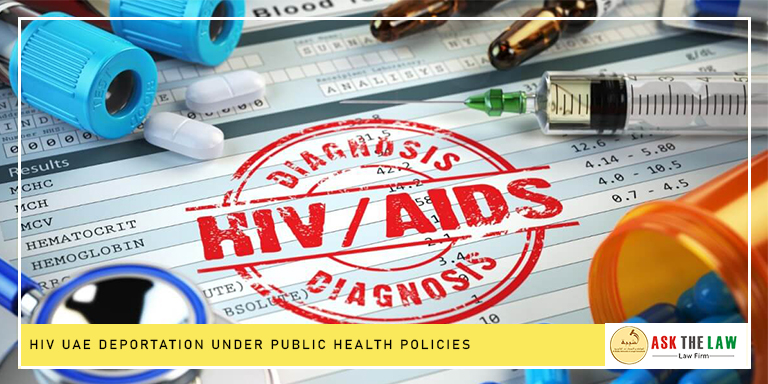
HIV UAE Deportation under Public Health Policies
UAE has prioritized healthcare for years, emphasizing public health in all emirates. It is a country with fewer people at high-risk of their lifetime. The HIV UAE Deportation policy is closely related to the UAE immigration law and public health. Residency applicants must undergo medical screening to confirm good health and positive reports. Testing positive for HIV carries serious and prompt legal consequences, including visa denial and possibly potential deportation for expatriates. There is no flexibility available for this. Understanding these laws is essential for the labor force. They can be saved from any future inconvenience.
HIV UAE Deportation Policy
An individual will be deported if they are diagnosed with HIV in the UAE. This policy is applied to foreigners, especially when they want to obtain a work visa in the Emirates. The medical strictness is governed by the UAE Federal Law No. 6 of 1973 concerning Immigration and residence matters in the UAE, along with a few more laws. Additionally, the medical screening is regulated through verified medical centers that are authorised by the Ministry of Health and Prevention. Any information regards to federal laws can be checked with professional lawyers and legal consultants.
Why is Medical Screening Important for a Residency Visa?
The medical screening is essential for the expatriates who are applying for employment visas or any kind of resident permits in the UAE. The medical report ensures the testing of transmissible diseases, such as HIV and Tuberculosis. According to the UAE government, these tests are mandatory to prevent infectious diseases that can be transmitted easily among the UAE residents. If the medical report indicates the individual’s HIV report is negative, then they can proceed with the visa.
Residency Cancelled in the UAE
The medical screening is vital to get entry into the UAE. And, if the foreigner has tested positive for HIV, they will be deported to their country if already in the UAE. In other cases, the visa application and residency are cancelled. A lawyer shall be taken into consideration for legal consultation. Residents are provided a chance for appeal.
Reason for the Existence of HIV Laws
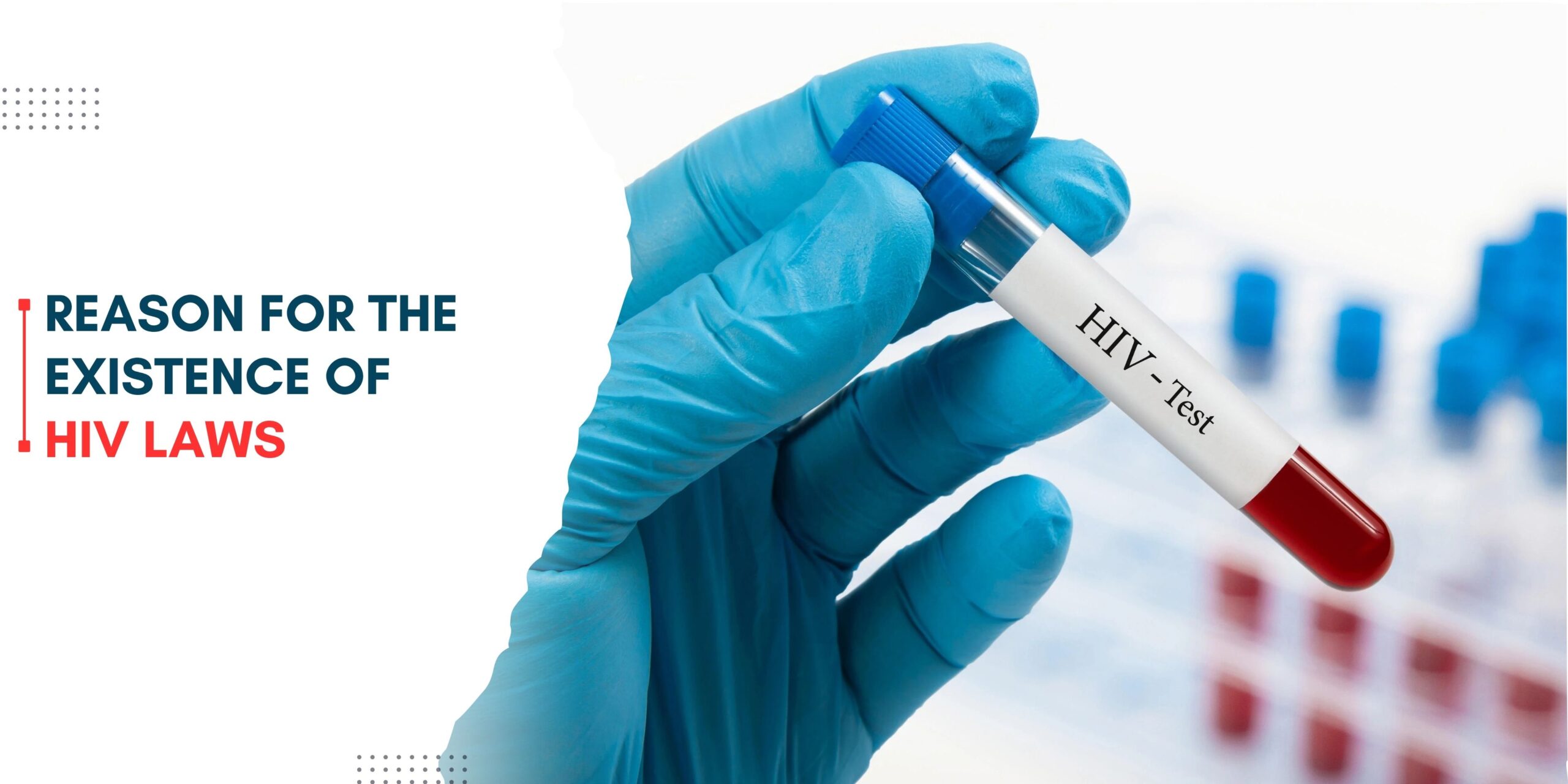
The UAE government wants to maintain premium healthcare facilities. Not only does it show dedication, but a commitment to making people’s lives healthy in the state. Due to this reason, they want to prevent infectious diseases to widespread in the region. HIV and some other diseases are communicable and spread amongst the masses. That’s why medical screening is mandatory, and deportation is chosen for the expatriates if found to have an infectious disease. The immigration policies related to HIV deportation play a vital role in controlling infectious diseases and can save lives. Professional lawyers can explain the process very well. We recommend consulting professional lawyers like askthelaw.ae
Early Detection of Disease in the UAE
The health policies in the UAE are strict. To control infectious diseases, preventive measures are followed by the UAE government. The early detection of the disease can stop it from spreading among the masses. For this purpose, medical screening is essential to obtain a residency visa.
Immigrant Rights Facing HIV Deportation
The UAE immigration policies allow deportation if HIV is confirmed in the medical report. However, the immigrant/resident still has the right to Appeal. They can consult legal consultants for guidance. A legal expert can review the case to see if anything can protect the individuals from being deported to their country. He has a right to file the appeal, against the decision. UAE law also provides full.
Importance of Lawyers in the UAE
Having a legal consultation in the UAE can assist individuals in understanding the immigration laws regarding the health policies. Moreover, the lawyers may also talk to the immigration authorities to see if residency decisions can be affected by any chance.
Health Policies in the UAE
In recent developments in the healthcare sector, the UAE government has taken several initiatives to manage high-risk diseases in the country. It shows the advancement in medical treatments and commitment towards creating a society with good health. The treatments could be advanced, yet the public health strategies are focused on prevention and awareness.
Awareness Campaigns in the UAE
Several individuals and medical institutions have taken initiatives to raise awareness of infectious diseases. They have also focused on the prevention of those diseases in their campaigns.
How does HIV deportation impact the Foreigners?
The UAE has become a global community. Therefore, the UAE government has concerns for the immigrants. However, the health standards are maintained to keep locals and foreigners safe from high-risk diseases. The HIV UAE Deportation rule may affect the expatriate if they were planning to settle or seeking a job in the UAE.
Understanding of Medical Requirements
The UAE employers would ensure that individuals have a medical check-up before they get hired by the UAE-based company. Individuals cannot enter the UAE unless they have a clean medical record.
Legal Responsibilities for the UAE Employers
The UAE employers have a vital role in processing the residency visa for the expatriate workers. This means they must go through medical screening to ensure zero infectious disease in them. However, the employer and immigration authorities will have to work closely on visa procedures. Failure to clean medical screening will deny the visa to the immigrant. This means the employment contract will be canceled too.
How Sponsors are Responsible in the UAE?
The UAE visa sponsors could be anyone: an employer or a family member. They must be aware of the UAE immigration laws before sponsoring an individual. In response to the medical reports of the sponsored individuals, transparency shall be ensured. The sponsors would be responsible for applying for a residency visa; therefore, they must ensure legal compliance with the immigration laws.
FAQs

Note:
ASK THE LAW is the Online Legal Entity of Al Shaiba Advocates & Legal Consultants, a full-service Emirati Law Firm. The blog is just for legal knowledge, which can be outdated with time with the inventions of new laws or modifications in previous laws. There might be some human errors too in the blog content. Therefore no liability is taken or owned, and we suggest consulting our experts for any decision or proceedings.