

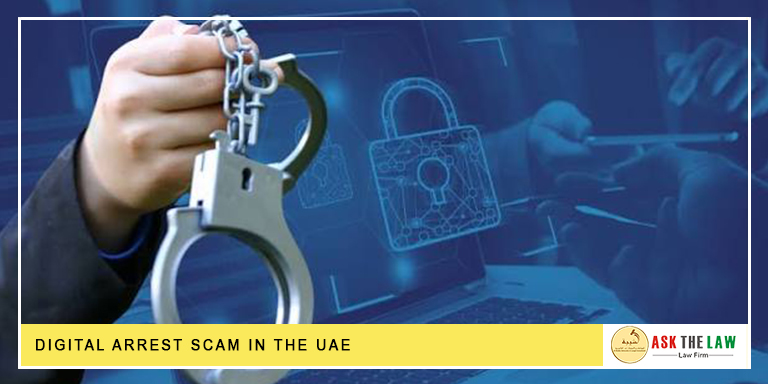
Digital Arrest Scam in the UAE: Why the “Arrest” Is Fake but the Crime Is Real
In the UAE, there is no such thing as a ‘digital arrest’. Nowadays, UAE citizens have been scammed under various criminal offences. One of them is a digital arrest scam that is increasing in the country. Individuals get a phone call from an impersonated police officer and are threatened with arrest while they demand money to bail them and close the case. It is advisable to verify the call through official channels rather than reacting to the call or the caller. You can recheck public information given on the UAE government website. If you have lost money or shared sensitive information, our cybercrime lawyers can advise you on reporting the scam and your legal options.
Stop Being Afraid of Digital Arrest Scams
Nowadays, scammers may have your sensitive information, such as your Emirates ID or passport number. Information is usually shared by individuals online. The scammers would breach data privacy and get information about the user. Therefore, when they make a call with your information, at that moment, you might be puzzled for a minute. The caller pretends to be a police officer and asks you to transfer an amount to an unknown account so the case can be closed. At this moment, act responsibly and never make a financial transaction. The least you can do is hang up the phone call. You will not be in trouble for hanging up the call, even if the call was from real UAE authorities. Since there is no such thing as a ‘digital arrest’, you will never be told about your arrest on a call.
What Makes Digital Arrest Scams Successful in the UAE?
The digital arrest scam is planned tactfully. There is a well-prepared script for the scammer who pretends to be a police officer or a prosecutor. A cloned voice or fake video setup may make the call appear to come from an official person. Moreover, the scammer would emphasise severe crimes committed by the individual, such as money laundering, tax evasion, or drug trafficking. They would tell the individual about their ‘digital arrest’. Seeing all those official backdrops created by AI and deepfake techniques, the victim falls for it. The person is pressured not to contact any friend or family and to transfer the said amount for quick settlement. Sometimes, the victim is convinced by the call and asked for information related to bank credentials, Emirates ID and passport.
The scams have crossed borders. India has lost around 30 billion in their local currency. Indians with international bank accounts are targeted for these types of frauds in the UAE. Dubai Police has warned residents many times; still, cases are increasing.
Digital Arrest Scams Under UAE Laws
Digital arrest scams are not recognised by UAE laws. However, cases of impersonation, digital fraud, or money extortion are handled under the UAE cybercrime laws. Federal Decree-Law No. 34 of 2021 on Combating Rumours and Cybercrimes implement strict penalties under this legal framework. Depending on the scammer’s criminal act of crime; penalty is decided under the cybercrime laws. Criminal offences can be brought against impersonation, money extortion, threats and invasion of data privacy. Therefore, the UAE authorities ask victims to avoid transferring money unless they have verified the caller.
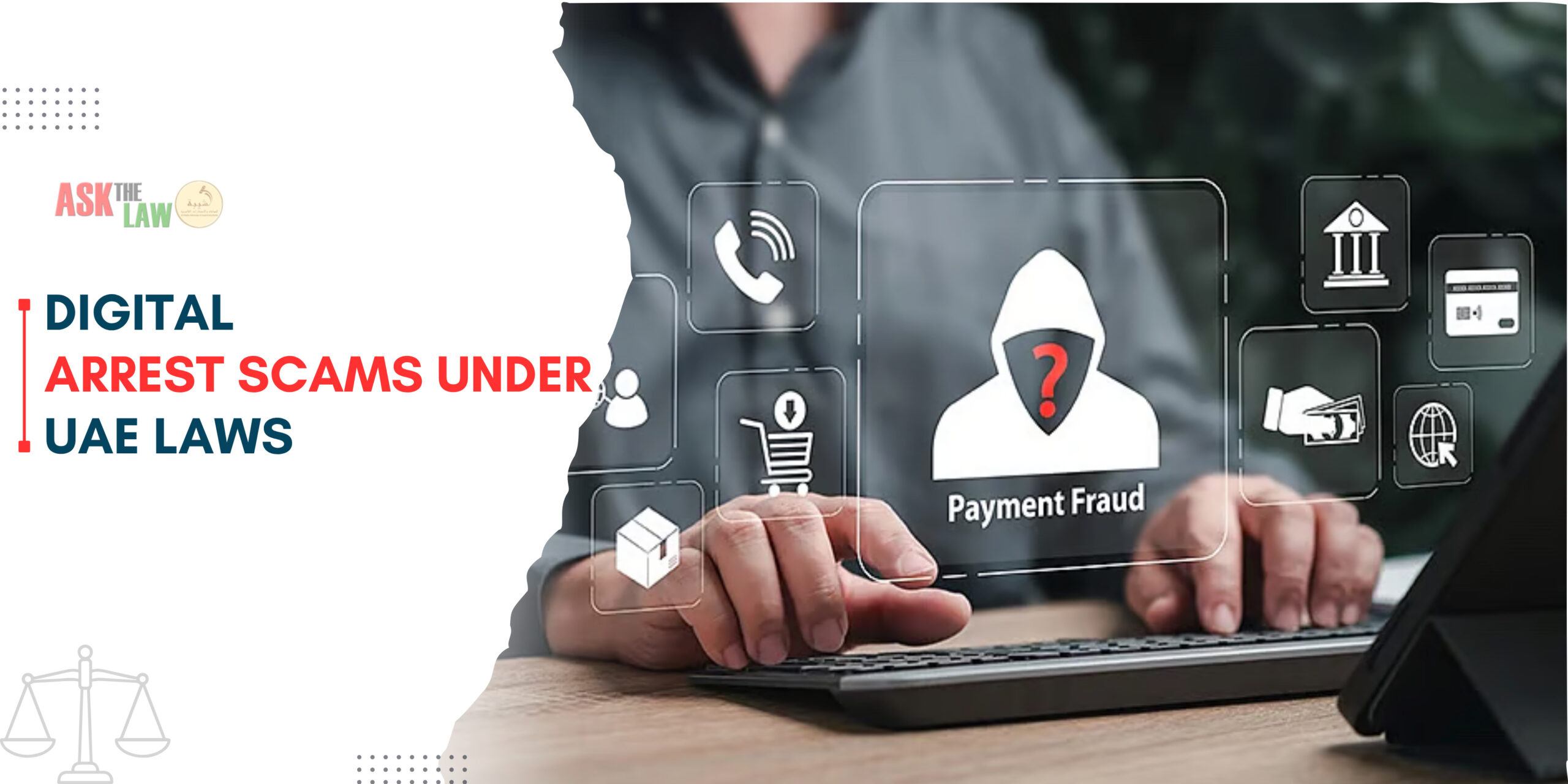
Procedure to Handle Digital Arrest Scams in the UAE
The individual can control the situation on the call in three different ways.
During the call: One must never share bank details, OTPs or any mode of possible transaction. You can simply hang up the call to avoid giving them any information. It is crucial to record the contact details and screenshots, whether the scammer made an audio or a video call.
After the Call: The individual must report the incident to the UAE police authorities. The complaint mechanism has been strengthened through the e-complaint system. If the person is not comfortable with the digital complaint system, they can call 901 to report the incident. In case of a financial transaction made to the scammer’s account, you must contact the bank authorities to freeze the payment immediately.
Recover from Loss: Individuals can seek legal advice; meanwhile, they have made a complaint to the UAE police authorities. Cross-border individuals can benefit from the UAE legal services. Our legal consultants can review the circumstances of the scam and explain the reporting and recovery options available to you.
What Kind of Information Scammers May Have?
Often, the cloned voice is convincing because the scammer may have sensitive information about the individual. For example, they may have a passport number or Emirates ID credentials. These documents are usually used for official purposes, so they might be available to others through a data privacy invasion.
Frequently asked questions
Talk to the UAE Legal Experts
Digital arrest scams are becoming common in the UAE. Whether you or anyone you know has been a victim of this scam, you should be guided to report it to the officials. Also, you must talk to the bank authorities to freeze the transaction and prevent money from being transferred into the scammer’s account. However, once the payment has been transferred into the fraudster’s account, there are very few chances of getting your payment back. At ASK THE LAW, the online legal platform of Al Shaiba Advocates & Legal Consultants in Dubai, we assist our clients with digital scams and recovery claims.
Targeted by a “Digital Arrest” Scam?
If someone is impersonating police, government authorities, or investigators and demanding money or personal information, seek legal guidance before taking further action.

Note:
ASK THE LAW is the Online Legal Entity of Al Shaiba Advocates & Legal Consultants, a full-service Emirati Law Firm. The blog is just for legal knowledge, which can be outdated with time with the inventions of new laws or modifications in previous laws. There might be some human errors too in the blog content. Therefore no liability is taken or owned, and we suggest consulting our experts for any decision or proceedings.