

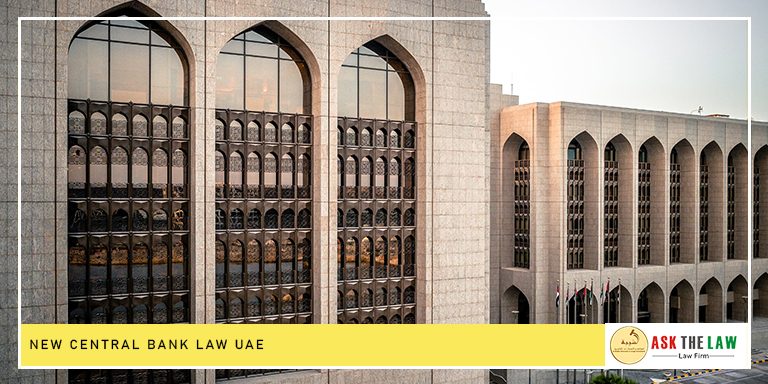
New Central Bank Law
Central Bank Law 2025 is a millstone achieved a new era in the financial market of the United Arab Emirates (UAE) and helped it to experience a positive flow. Central bank 2025 Laws are replacing traditional banking with a unified framework for banks, payment providers, and technology enablers. Expatriates and investors are now more interested in exploring the UAE’s financial market to establish profitable businesses. To keep up with the monetary stability in the UAE, financial laws are amended, and new regulations are introduced as needed. The intervention of the new central bank law has strengthened the financial institutions and payment methods.
New Central Bank Law: Better Consumer Protection and Fraud Prevention
The new central bank law brings the UAE’s financial market in line with international standards, directly impacting how financial institutions operate. The law increases regulatory oversight and strengthens the control of monetary policy beyond previous laws, and the approach is to make operations easier to facilitate investors and business owners. This enhanced regulation boosts bank customers’ confidence, as they can expect greater financial stability. The law is now applied to all financial institutions in the UAE, including finance companies, banks, and exchange companies, requiring them to comply with these stricter standards.
Affirmative Monetary Regulation
The monetary governance is much stronger in the new central bank law. It has improved the structure of decision-making to ensure that monetary regulations are monitored consistently and better than before. The new regulations are advanced and encouraged by concerned entities.
Authority of the UAE Central Bank under the New Central Bank Law
The central bank is given greater authority to manage monetary policy, which directly impacts how financial institutions must operate to maintain economic stability. To control the financial risks, the Central Bank now has sole authority to license and regulate exchange houses, financial companies, and banks, affecting their operation and compliance requirements.
Independent Authority for Regulatory
The regulatory authority given to the central bank will ensure that the rules and regulations and the external influence cannot impact the decision-making. Also protects against political unrest or commercial influence in the banks’ regulatory system. An independent authority would also ensure transparency in the financial markets.
Permits for Financial Institutions
With the new central bank law, the license to regulate the financial institutions has been stricter than ever. They have to meet the eligibility criteria as per the compliance standards. This means that the financial institutions will be monitored even after they have one-time approval, and that monitoring will help to act at the moment and can save the investors from fraud.
Supervision of Institutions in the UAE
According to new central bank laws, the monitoring systems are more effective, and independent financial institutes regulates the operations. A few financial institutions may be exposed to greater risks. To decrease the risk UAE central bank is closely monitoring. It also keeps the financial institutions working strictly with the rules and regulations in the UAE.
Fair Treatment for Consumers
The new central bank law in the UAE ensures fair treatment of consumers. It includes transparency for marketing and service delivery to the customers. Moreover, the banks also maintain transparency for their customers. They would let them know all the fees charged for the financial products they are interested in. Transparency with financial regulations is important for customers to make informed decisions.

Bank Practices and Dispute Resolution
In case of lending to the customers, the banks should verify their financial status. It will ensure the lower financial risks, especially when it comes to credits and loans. Moreover, the central bank has to make complaint mechanisms effective, so financial institutions would resolve disputes with customers within a timeframe.
Digital Payments in the UAE
The UAE economy has worked for different sectors for economic stability. The UAE has already adopted cashless models, and instead of currency, it has also introduced digital payments, boosting the fintech sector. To make online payments, the regulatory authorities have become more vigilant. It shows technical growth with a balanced security network.
Effects of Digital Payments in the UAE
The digital payments with a safety net would boost confidence in the bank’s customers. It will promote financial inclusion for the UAE citizens. However, the monitoring of digital payments with high security will also lower the risks associated with financial institutions and companies. Nevertheless, it has marked the UAE financial sector according to international standards.
Control over Financial Frauds and Money Laundering
The primary focus of the new central bank law is to prevent financial fraud. Therefore, reporting requirements and monitoring obligations have become strict. However, the internal controls of the institutions have to implement the new bank law with immediate effect.
Reporting Duties
Under the new central bank law, any suspicious transaction shall be reported immediately. The regulatory authorities should get information promptly to avoid any fraudulent activity.
Penalties to be enforced in the UAE
Under the new central bank law, administrative penalties are imposed. CB Law 2025 introduces the following financial fines and license suspension;
- Maximum administrative fines for institutions have been increased to AED 1 billion.
- Authorized individuals may face fines up to AED 5 million.
- Criminal sanctions have been introduced for unlicensed financial activity, with fines of AED 50,000–AED 500 million and potential imprisonment.
- Marketing or promotion of licensed financial services without authorization is now itself a regulated activity.
- CBUAE can collect fines by debiting accounts held with it or any LFI
- (It can be different as well, kindly check with professionals for the latest updates)
Ensuring Fair Proportionate
The new central bank law ensures that penalties are imposed if banking laws are violated. These penalties are enforced with fairness and balance, and the impact of misconduct it has.
What are the Effects
The financial institutions have to review their internal policies to ensure legal compliance at all times. However, the compliance costs may increase with time, but it will ensure stability in the UAE economy.
Accountability System
The board members are accountable for compliance with the bank laws. Their compliance and oversight of the banking operations will make internal operations smooth.
Financial Stability
UAE Central Bank is directly involved in preventing operations from all sorts of risks. Those financial companies and the UAE Central Bank have aligned their goals to prevent fraudulent financial risks by working on the law proactively.
Preventive Measures for Fraudulent Cases
The banks should be more active regarding preventive measures by locking down the security threats, manually and digitally. The financial companies must work in collaboration with the UAE Central Bank to see if they have maintained the international financial laws.
Sharing Network Support
Having a data sharing mechanism ensures effective supervision. This means that the banks and financial companies will not have to face too many financial disputes.
Summary
The UAE government has promoted the New Central Bank Law to strengthen the regulatory authorities and monetary policies. Not only has it helped the banking sector, but the consumer protection policies are also transparent. Therefore, investors are confident to invest in the financial products.
FAQs

Note:
ASK THE LAW is the Online Legal Entity of Al Shaiba Advocates & Legal Consultants, a full-service Emirati Law Firm. The blog is just for legal knowledge, which can be outdated with time with the inventions of new laws or modifications in previous laws. There might be some human errors too in the blog content. Therefore no liability is taken or owned, and we suggest consulting our experts for any decision or proceedings.