
Real Estate Tokenization Sandbox in UAE
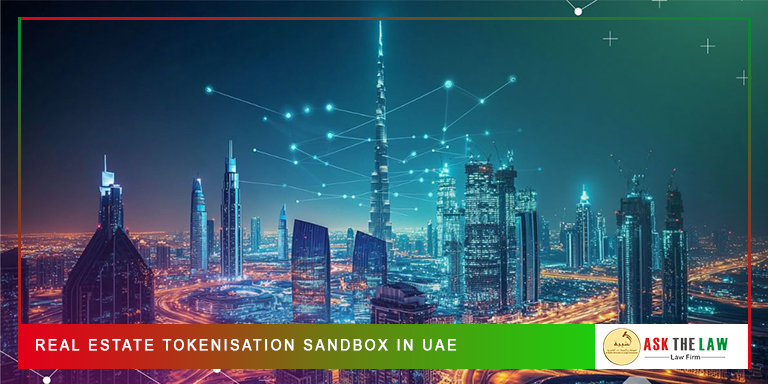
The UAE government has adopted digital transformation in real estate like other sectors. Recently, Dubai has created an innovative approach towards property in the UAE, known as Real Estate Tokenisation Sandbox. The project aims to digitalize real estate assets through blockchain. It is led by the Dubai Land Department (DLD) in collaboration with the Dubai Future Foundation (DFF) and Virtual Assets Regulatory Authority (VARA). Through this approach, the real estate assets are converted into digital shares known as tokens. These assets are traded security on the regulatory-approved platforms. Our lawyers in Dubai ensure legal compliance and legal rules according to the Federal Real Estate law and Federal Civil Code. Professional lawyers in Dubai hired by top law firms in Dubai, are also available for legal help. This pilot reflects Dubai’s professional commitment to becoming a global leader in tech and investment, relevance with the Dubai Economic Agenda D33 and Real Estate Strategy 2033. You can search our lawyers for the more legal help.
Is Tokenisation Helpful for Investors?
The tokenisation in real estate works with a modern approach where small-scale investors can also invest from any part of the world. Unlike conventional real estate, investors can buy Dubai properties, online. They can avail of those properties through smart contracts, legal custodial platforms, and secure blockchain infrastructure. Additionally, some projects under sandbox regulation licenses can be operated legally, otherwise, there are pending legislative updates on the public adoption.
Tokenization enables small investors from all over the world to obtain the shares in high-value and high ROI, Dubai properties by offering flexibilities for:
- Smart Contracts
- Custodial Platforms
- Blockchain infrastructure
Rules and Regulation
The sandbox is supervised under various laws. Its collaboration with DLD and VARA is significant. The virtual assets are regulated by VARA, whereas the UAE Civil Code is applied when contracts and property rights are involved. Subject to property, federal laws also govern RERA. Moreover, DLD ensures tokenized titles correspond to official property records.
It is essential to know that all real estate transactions being tokenized are also backed up with physical deeds and entitlements. The lawyers in Dubai can assist investors in understanding legal compliance and drafting documents under UAE law.
Legal framework and layers of legislation
Let’s throw the light on legal framework and its details as follows:
- Dubai Law No. 4 of 2022: This law governs virtual assets by VARA.
- Federal Decree-Law No. 5 of 1985 (UAE Civil Code): This law applies to contracts, real estate/property rights, and its execution.
- Federal Law No. 7 of 2006 It RERA and all the obligations of property development.
- Dubai Land Department Where tokenized titles address to official property records.
Advantages of Real Estate Tokenization
If we have to discuss advantages and benefits of tokenization which can be enjoyed by investors, then we can discuss as follows:
- Fractional Ownership
The investors need not to buy the entire asset. They can buy a little share of the property, depending on the investment they want to make.
- Enhanced Liquidity
The tokenized assets can be traded like stocks which can boost liquidity and reduce the transaction time.
Transparency and Security
The blockchain records are accessible. They are recorded, visible, and time-stamped to ensure accountability and mitigate the risk of fraud.
- Global Reach
Through tokenization, the investors abroad can also participate in buying Dubai real estate assets.
- Operational Efficiency
The efficiency in operating tokenization can be calculated through smart contracts, asset management, distribution of rental income, and legal compliance.
Role of Legal Professionals in the UAE
The tokenisation has several layers that need to be understood on legal grounds. Everything in tokenisat Several layers of legislation and oversight support the sandbox:
- Dubai Law No. 4 of 2022 governs virtual assets and their regulation by VARA.
- Federal Decree-Law No. 5 of 1985 (UAE Civil Code) applies to contracts, property rights, and enforceability.
- Federal Law No. 7 of 2006 governs RERA and property developer obligations.
- Dubai Land Department ensures that tokenized titles correspond to official property records.
ion, involving securities, technology, and contracts is considered under the UAE laws. However, lawyers in Dubai assist people in tokenisation. Moreover, Dubai law firms help clients develop smart contracts, and structure SPVs (Special Purpose Vehicles) for issuance, ensuring legal compliance with RERA laws and property registration. Having zero legal guidance and knowledge about Dubai real estate can lead to severe legal consequences.
The Tokenisation Process
The process of tokenisation in the UAE is conducted by following the UAE laws, ensuring accountability and transparency in the process:
- Selection of a Property
The real estate agent will choose a property that can be tokenized.
- SPV Creation
An SPV is created to ensure the title deed
- Token Minting
The property value is then divided into tokens by using blockchain platforms such as XRP Ledger.
- Regulations Applied
People who are issuing the property should register with VARA and DLD for legal compliance.
- Token Sale
Tokens are then sold out through legal custodians to the investors who are verified in the real estate business.
- Post-Sale Management
Once the property has been bought through tokenisation, smart contracts shall be made.
Results and Impact of the Early Tokenisation
Every project takes time to develop and bring revenue to the economy. However, tokenisation in real estate has proved to be one of the best advancements in the digital transformation of real estate. More than 200 investors across the globe were interested in the first phase of tokenisation. The response was from 40+ countries. However, several tech platforms are also interested in participating in this project.
It is thought that at least 7% of Dubai’s real estate will be conducted through tokenisation by the year 2033.
Legal Considerations and Investor Protection
If you are an investor in the sandbox, you must have a title deed that is backed for each token. Always ensure legal compliance, including compliance with REA. The AML/KYC procedures are mandatory to be conducted. The attorneys in Dubai can help you with legal compliance and dispute resolution.
FAQs

Note:
ASK THE LAW is the Online Legal Entity of Al Shaiba Advocates & Legal Consultants, a full-service Emirati Law Firm. The blog is just for legal knowledge, which can be outdated with time with the inventions of new laws or modifications in previous laws. There might be some human errors too in the blog content. Therefore no liability is taken or owned, and we suggest consulting our experts for any decision or proceedings.