
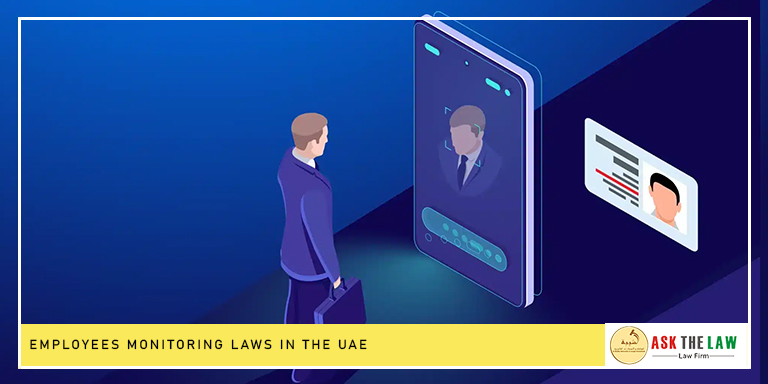
Employees Monitoring Laws in the UAE
In recent years, people have preferred to work from home. It saves them from travelling on longer routes. With this move by the employees, companies have also seen reduced costs in business operations. Often, workplaces are secured with technology, and regulatory compliance is maintained. Most of the things are managed remotely while using the latest AI tools. The United Arab Emirates (UAE) has business efficiency, and innovation in the start-up ecosystem is on the rise. UAE employers may monitor certain workplace activities for legitimate business purposes, but monitoring must comply with applicable privacy, data-protection, employment, cybercrime, and local security laws.
Legal Aspect of Employee Monitoring Laws in the UAE
Employee monitoring involves the work managed by the employee during their tenure in the company. It is monitored in different ways: attendance recording, surveillance cameras, and tracking activities through the internet. The UAE businesses have sophisticatedly adapted work-from-home arrangements. It has increased the productivity of the employees, yet the employers want to monitor the teams working for their company. The practice of monitoring employees has been normalised in the UAE by implementing federal laws, rules and regulations of the free zones.
Reasons for Monitoring Employees
Employee monitoring is conducted for multiple factors. However, the intention is never to intrude the privacy of the person. It is always to keep data safe from malicious activities. Therefore, the laptops used by employees are also secured. It enhances cyber security system in the company. Further, the employee’s productivity is also monitored during the official hours only. Additionally, the misconduct in the workplace can be investigated through activities shown in the CCTV cameras.
A Say of UAE Labour Laws
Federal Decree-Law No. 33 of 2021 and others laws strengthen the employment relationships, ensuring labour rights are protected. The employers have the right to ensure the productivity of the employees. However, the treatment for employees should be fair, and no violation should come from either the employer or the employee side. Hence, the rules and regulations under this law maintain the integrity of a healthy corporate environment.
UAE Laws to Secure Personal Data
The personal data belongs to employees. The law for personal data protection ensures that employees’ data is safe with the employer. Under this law, collection, process, storage and transfer of data shall be limited to professional use only.
Monitoring Laws Applied in UAE Cybercrimes
The monitoring systems in the UAE are linked with cybersecurity obligations. Businesses may put firewalls online to avoid malware attacks and unauthorised access. If these monitoring systems do not act effectively, data theft is possible with a malicious virus in computers and laptops used in the workplace. Under the Federal Decree-Law No. 34 of 2021 on Combating Rumours and Cybercrimes, online activities are monitored in the UAE.
Right to Privacy for the UAE Employees
Individuals have privacy at work. Some employees have a misconception at workplace that the moment they sign the employment contract, they are abided by the laws and cannot exercise their rights. It is not true. Privacy rights are for everyone. Unless and until the nature of the job indicates the need of monitoring the employee’s location, the employer should not do that. It could be an intrusion of privacy. It is true that business should be led with transparency, but then information gathered by the employer shall also have a good reason for monitoring certain activities at work.
Ways to Avoid Unnecessary Monitoring at the Workplace
A good manager is one who does not do micromanagement. Excessive monitoring at the workplace can demotivate employees. Many people do not like micromanagement because they feel threatened at work. Therefore, monitoring activities shall be limited.
Monitoring a Work-from-Home Employee
Individuals have the option to work from home. Businesses are trying to manage the productivity of their employees while everyone is working from home. Therefore, rules are set to monitor the productivity of employees working remotely. There are some tools that would track the login activity, work hours and ensure task completion from the employee’s end.
Monitoring Helps in Evidence
The employers find monitoring helpful because surveillance cameras can record fraudulent activities, misconduct and unauthorised access. Cases of attendance and harassment issues may have evidence through monitoring records in the workplace.
Make Lawful Employee Monitoring in the UAE
Step 1: Provide a reason for necessary monitoring
Always keep transparency in monitoring tools. Let your employees know the reason for surveillance on them and their work.
Step 2: Review privacy policies
As an employer, you should ensure that privacy compliance rules are followed at work for employees.
Step 3: Write policy documents
Businesses should maintain a employee handbook that talks about policies for different department and activities at work. It will provide employees with clarity at work.
Step 4: Limited Access to the Data Collection of Employees
The monitoring tools should access only that data that is relevant to the business operations and professional conduct of the employee.
Step 6: Keep data protected
Data shall be protected through various AI tools.
Step 7: Keep up with Compliance
Ensure compliance with monitoring laws at all times.
Future of the Employee Monitoring Laws in the UAE
The UAE has become a digital hub. It has made several regulatory laws to ensure that data is protected online. Nowadays, AI tools and biometric systems are introduced in workplaces to ensure limited monitoring of the employees. The surveillance helps businesses in learning the productivity of their employees, and misconduct can be proven.
Q&A

Note:
ASK THE LAW is the Online Legal Entity of Al Shaiba Advocates & Legal Consultants, a full-service Emirati Law Firm. The blog is just for legal knowledge, which can be outdated with time with the inventions of new laws or modifications in previous laws. There might be some human errors too in the blog content. Therefore no liability is taken or owned, and we suggest consulting our experts for any decision or proceedings.