

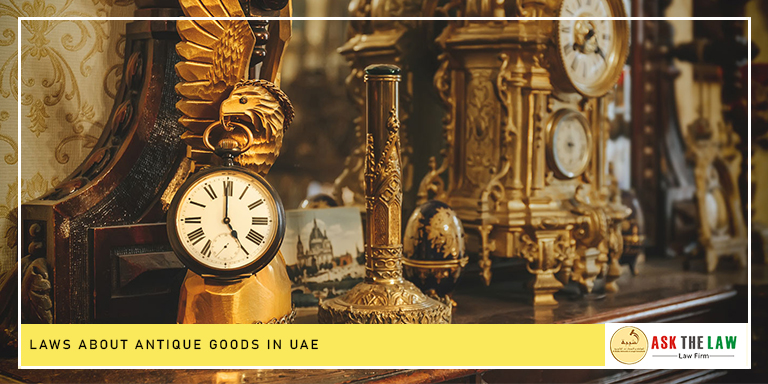
Laws about Antique goods in UAE
Antique goods are expensive, but they also look classic in your workplace and house. There are individuals who would collect antique items to sell in the market or keep them for themselves. There are museums where these antique items are considered valuable. UAE has a history of who were interested in antiquity. When it comes to preserving historical artifacts, the UAE takes the law seriously. There are several regulations to protect antique goods in the UAE. It is important to comply with the federal laws established by the Ministry of Culture and Youth and the Federal Customs Authority for dealing in antique items. They have significant monetary value, and not everyone can have access to those items easily. The lawyers in Dubai can help you buy antique items and antique laws in UAE.
What Qualifies as an Antique Good in the UAE?
Any item that is more than 50 years old and adds to cultural or historical value is known as an antique. Those items include paintings, old jewelry, traditional instruments, manuscripts and several other things. Interestingly, the laws about antique goods in UAE are not only applied to the local heritage sites. In fact, the foreign historical items sent to the UAE also have documentation and permits.
Legal Oversight
If you are interested in buying or selling any antique piece in the UAE, or importing antiques into UAE, then you must talk to the following authorities:
- Ministry of Culture and Youth
- Federal Customs Authority
- Department of Tourism and Culture – Abu Dhabi
- Dubai Culture & Arts Authority
Each of these organizations makes decisions to preserve the historical item as per the rules of the emirates and the significance of the product. An example of this could be seen in preserving an Islamic manuscript. You will need permission from the cultural and religious authorities to have it in the museum or buy it for yourself. The professional lawyers are often hired whenever a purchase of a historical piece is made to ensure full compliance or to understand importing antiques into the UAE.
Ways to Import Antique in UAE
Federal Law No. 11 of 2017 on Antiquities governs it all. There is a legal procedure to import antiques into UAE. The merchants of antique goods must provide the documentation for ownership to ensure authenticity. The item should have a complete description, including its value. A specific type of permit is required, too.
If there is no proper documentation about the historical artifact, it would be difficult to send it to the UAE and penalties could be severe. In addition, those items shall not be political or religious relics, as they are prohibited. Hiring professional dubai law firms, would be a good option, as a lot of paperwork is involved in these cases.
Export Restrictions and Cultural Protection
The rich cultural heritage of the UAE is one of the things that people should experience once in a lifetime. The country has grown from a nomadic land to a modern land. The UAE has export and import rules to ensure the national history is preserved as per the standards. There are a few items that cannot be exported from the UAE, including coins, pottery, or textiles. It requires official clearance.
The Federal Law No. 11 of 2017 on Antiquities and Cultural Heritage may penalize the offender with imprisonment or deportation. The law is focused on the international tourists who want to take something good from the UAE for memories or business purposes. The lawyers in Dubai will ensure that the documentation is conducted properly for the antique pieces, whether these items are for gifting or other purposes.
The Role of International Conventions
UNESCO plays a vital role in the cultural heritage around the world. Under the UNESCO 1970 Convention, the cultural property cannot be imported, exported, or transferred into the ownership of any other person or entity. Such rules and regulations protect the country from illegal trade practices. Federal Law No. 11 of 2017 on Antiquities clears the understanding about antique products and its local UAE laws.
Legal Advice for Private Collectors
If you are a private collector or have a personal interest in having antiques, then you should have the documentation for ownership. The permits for these items shall be renewed timely manner and always have them registered for proper regulations. Some of these items may need valuation reassessments or new approvals at the time of gifting, transferring the ownership, or selling them.
Therefore, it is better to collaborate with law firms and have clarity on the legal ownership and laws for the import and export of such items and to understand UAE customs rules for antiques.
Whenever you are visiting the UAE and looking for antiques, always ensure that you are buying the right kind of item. There could be fraudulent cases, and so you will need lawyers who can ensure that your purchase is successful.
Other Laws & Customs Rules
Besides the Antiquities Law, people will have to follow general UAE import/customs laws as well. Let’s have a brief on it.
- Customs Duties: All the goods, which are imported to UAE mainland companies, are subject to the GCC Common Customs Law and Federal customs duty law. Sometimes Custom duty can be exempted in free zones. Please check with lawyers.
- Import Documents: For import anything, you need a trade license, and commercial invoice. You need certificate of origin, and other required permits.
- Restricted Goods: It must be kept in mind that, antique goods are a restricted category. Without permission, its imports are not allowed. Therefore, permission must be taken from concerned authority.
FAQs

Note:
ASK THE LAW is the Online Legal Entity of Al Shaiba Advocates & Legal Consultants, a full-service Emirati Law Firm. The blog is just for legal knowledge, which can be outdated with time with the inventions of new laws or modifications in previous laws. There might be some human errors too in the blog content. Therefore no liability is taken or owned, and we suggest consulting our experts for any decision or proceedings.