
Crypto Laws and Regulations in the UAE
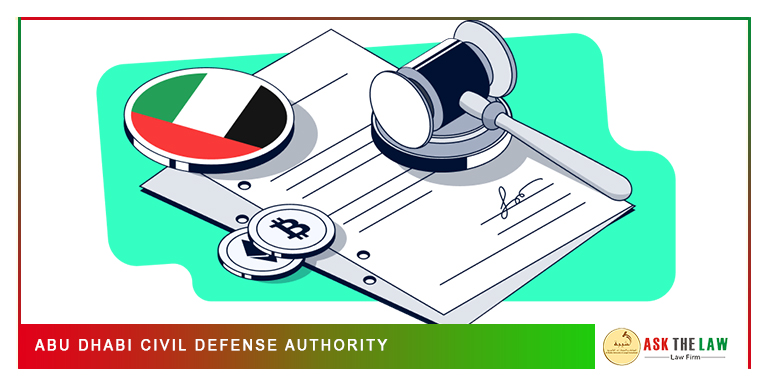
The UAE is moving towards accepting cryptocurrency as a legitimate form of currency. The Emirates has been at the forefront of the global crypto hub. UAE stands strong as a global crypto hub. At a time when the world is still showing reluctance to accept crypto, the UAE has taken the initiative to declare it legal and also accept it. There is a proper federal structure that is applicable in a hybrid legal model. The crypto legal structure operates in a hybrid modern system under the federal decree laws. Let’s have a little discussion on federal structure and laws:
- Federal Decree Law No. 8 of 2017
The federal law was amended in November 2024. It was amended through a cabinet decision, that is, Cabinet Decision No. 100 of 2024. It states that virtual asset transfers and conversions are VAT-exempt, unless the fee is charged.
- Federal Decree Law No. 20 of 2018
It was amended by Decree Law No. 21 of 2021, and it clarifies AML and licensing requirements. It prohibits unauthorized persons from engaging in virtual asset activities If there is no license available.
- Securities & Commodities Authority (SCA)
It states the mainland licensing through Decision No. 23/RM of 2020.
It also prohibits unauthorized individuals from engaging in any type of virtual activity. Therefore, no person without a license is allowed to conduct virtual-related activities in the UAE. Securities & Commodities Authority (SCA) governs the mainland licensing process in the United Arab Emirates. They mainly issue licenses through Decision No. 23/RM of 2020. The laws and regulations establish clear jurisdiction and thus make compliance easier across the UAE.
- Jurisdiction of the UAE – multi-jurisdictional
UAE’s legal framework is multi-jurisdictional. The mainland in the UAE, which is also called onshore, is supervised by the Securities and Commodities Authority SCA and the Central Bank of the UAE (CBUAE). Our lawyers and legal consultants can also guide you more about this topic. We are No.1 law firm in Dubai and across the Emirate. Conversely, the offshore VASP operations require the license under Federal Decree Law No. 20 of 2018 and SCA’s Decision 23 of 2020. Dubai Law No. 4 of 2022 was established to create Dubai Virtual Asset Regulatory Authority (VARA). VARA is the regulatory body of Dubai that issues licenses. For the Dubai Free Zones ADGM (Abu Dhabi Global Market) plays a crucial role. All the crypto services are well-regulated by FSRA. They are directly under the ADGM framework. DIFC (Dubai International Financial Centre) is also an active regulatory authority. The DFSA is responsible for issuing crypto token regulations under the Crypto Token regime.
Licensing Requirements
- Federal onshore: Businesses must have to acquire a license via the SCA.
- VARA: VASP licenses for issuance, custody, exchange, or advisory
- ADGM/FSRA: A Financial Services Permission is required for crypto services within ADGM
- DIFC/DFSA: Crypto tokens regulated under crypto token regime.
Tax Environment in Crypto Activities
For crypto activities the Personal income tax stands at zero percent. This indicates that Crypto traders and holders have no tax obligations nor do they have to pay income tax.
There is a corporate tax of 9 percent. This came into effect from the middle of 2023. It is mainly imposed on profits that exceed AED 375,000. However, this 9 percent corporation tax will affect the crypto trading business. Post-November 2024, virtual asset transfers remain VAT-exempt. VAT is only charged if there is a fee or commission.
Role of Lawyers
Our lawyers and Law firm, known as top legal support in Dubai and all over the UAE. We offer guidance to the clients over various matters, including licensing, AML compliance, SCA vetting, and much more. Our skilled lawyers in Dubai will be involved in drafting documentation and preparing a thorough application that is required for documentation.
Our top-tier Dubai law firm maintains multi-jurisdictional expertise and also have the experience to deal with a vast range of clients. A Dubai lawyer often partners up with financial advisors, accountants, IT specialists, and IS experts. They will make sure to have legal compliance and also ensure risk management. For legal advice, support and services, readers can consult our top attorneys and legal consultants. We are one of the best legal professionals in United Arab Emirates.
Frequently Asked Questions (FAQs)

Note:
ASK THE LAW is the Online Legal Entity of Al Shaiba Advocates & Legal Consultants, a full-service Emirati Law Firm. The blog is just for legal knowledge, which can be outdated with time with the inventions of new laws or modifications in previous laws. There might be some human errors too in the blog content. Therefore no liability is taken or owned, and we suggest consulting our experts for any decision or proceedings.